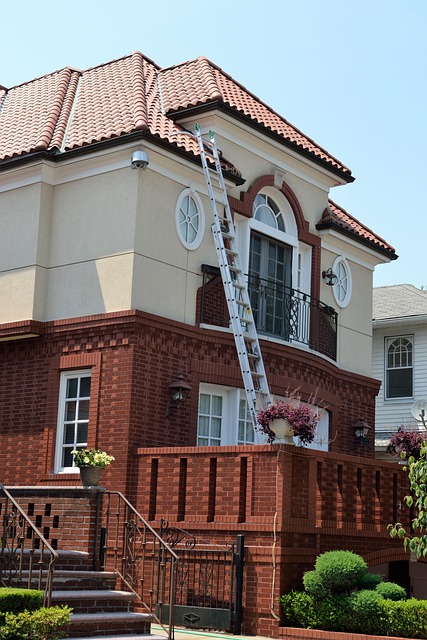
In Springfield, MA, maintaining a slate roof's integrity and longevity is achieved through a detailed two-part inspection process. The initial step involves a thorough visual assessment from the ground, focusing on signs of damage or wear on the slates and identifying any issues with flashing points at valleys, ridges, and penetrations. This is followed by an in-depth on-roof examination that checks the underlayment, fasteners, and slate alignment for any indications of abnormal wear or moisture infiltration. Regular inspections by experienced Slate Roofing Springfield MA professionals are essential, especially before and after seasons with high precipitation or snowfall. These inspections should include a meticulous evaluation of the sealing at joints and fasteners, the roof's drainage, and the integrity of flashing points around chimneys, vents, and valleys. Advanced technologies like high-resolution cameras, thermal imaging, and drones are employed to enhance the accuracy of these evaluations, ensuring that each slate is individually assessed for optimal preservation and aesthetic maintenance of slate roofs in Springfield's unique climatic conditions. This approach not only extends the lifespan of the roof but also upholds its visual appeal and structural robustness over time.
Slate roofing, a hallmark of enduring architectural integrity in Springfield, MA, demands meticulous inspections to maintain its longevity and performance. This article delves into the best practices for detailed slate roofing evaluations specific to Springfield’s climate, pinpointing essential components that require assessment. Furthermore, it explores advanced techniques and tools that enhance precision focus in slate roof inspection systems, ensuring property owners can uphold their investment’s integrity. Slate Roofing Springfield MA stands as a testament to the craftsmanship and durability of this time-honored material.
- Best Practices for Detailed Slate Roofing Inspections in Springfield, MA
- Essential Components to Assess During a Slate Roof Evaluation in Springfield Climate
- Advanced Techniques and Tools for Precision Focus in Slate Roof Inspection Systems
Best Practices for Detailed Slate Roofing Inspections in Springfield, MA

When embarking on detailed slate roofing inspections in Springfield, MA, it’s crucial to adhere to a systematic approach that ensures each aspect of the slate roof is examined with precision. The first step involves a thorough visual inspection from the ground, noting any obvious signs of wear or damage, such as cracked, chipped, or dislodged slates. Utilizing specialized tools like a slate hook and tapping bar can help safely remove or reposition these slates for immediate repair. It’s also imperative to inspect flashing points where water intrusion is most likely to occur, particularly at valleys, ridges, and penetrations. These areas should be cleaned out and re-caulked if necessary to prevent future leaks.
For a more comprehensive assessment, an on-roof inspection is recommended, allowing for a closer examination of the slate roof’s condition. This involves carefully walking on the roof while being mindful of its structural integrity to avoid causing further damage. During this phase, it’s vital to check the underlayment, fasteners, and the overall alignment of the slates. Any unusual patterns in wear or signs of moisture infiltration should be documented, as these could indicate underlying issues that need professional attention. Regular inspections by experienced professionals specializing in slate roofing in Springfield, MA, can prolong the life of your roof and prevent costly repairs down the line. It’s advisable to conduct these inspections during spring and autumn when weather conditions are favorable for both the inspector and the roof material.
Essential Components to Assess During a Slate Roof Evaluation in Springfield Climate
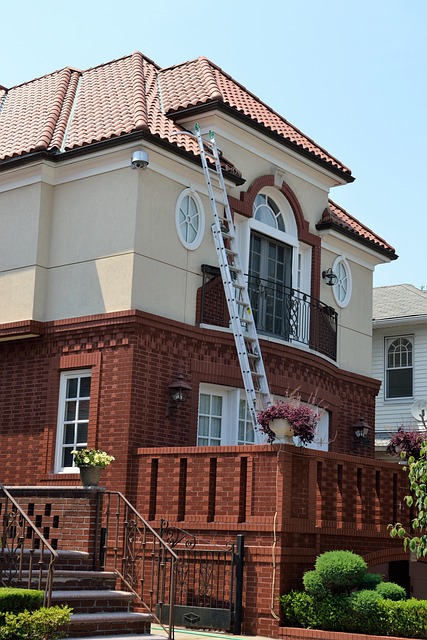
When evaluating a slate roof in Springfield’s unique climate, which is characterized by its distinct seasonal changes and occasional extreme weather events, several critical components must be assessed to ensure the longevity and integrity of the roofing system. Firstly, the condition of individual slates is paramount. Each piece should be inspected for cracks, chips, or signs of deterioration that can compromise the waterproof barrier they provide. Springfield’s variable weather, with its mix of wet springs and snowy winters, puts these slates to the test, making it essential to check for proper sealing at the edges and along the fasteners to prevent moisture ingress. The underlayment beneath the slates is equally important; it should be free from tears, punctures, or degradation, as it serves as a backup defense against leaks. Additionally, the fastening system, which holds the slates in place, must be secure and evenly distributed to withstand Springfield’s wind loads without causing damage to the slates themselves. During spring evaluations, homeowners and professionals should also scrutinize the pitch and slope of the roof to ensure proper drainage, as standing water can lead to freeze-thaw cycles that further deteriorate the slates over time. Lastly, the flashing points, such as around chimneys, vents, and valleys, must be inspected for proper sealing and absence of corrosion or rust, which can disrupt their function and allow water intrusion. Slate Roofing Springfield MA experts recommend these thorough checks to maintain the structural health and aesthetic appeal of a slate roof under the specific conditions found in Springfield’s climate.
Advanced Techniques and Tools for Precision Focus in Slate Roof Inspection Systems

In the realm of slate roofing, particularly in areas like Springfield, MA, where historical and aesthetic considerations are paramount, the importance of precision focus in inspection systems cannot be overstated. Advanced techniques in slate roof inspection require a harmonious blend of traditional craftsmanship and modern technology to ensure the integrity of these durable and visually appealing structures. State-of-the-art tools such as high-resolution cameras, thermal imaging devices, and drones equipped with detailed imaging capabilities allow inspectors to identify subtle defects, moisture infiltration, or signs of wear that might otherwise go unnoticed. These technologies enable a more comprehensive evaluation of slate roof conditions, thereby facilitating targeted repairs and maintenance, which are critical for the long-term preservation of the slate roofing system.
Furthermore, the integration of these advanced tools with specialized software systems allows inspectors to document their findings meticulously. This data can then be used to create a detailed report that outlines the current state and any recommended interventions for slate roofing in Springfield, MA. The precision afforded by such an approach ensures that each slate is assessed individually, which is essential given the unique nature of slate as a material. This meticulous inspection process not only extends the lifespan of the roof but also maintains its historical character and aesthetic appeal, ensuring that it remains a robust and attractive feature of buildings for years to come.
In conclusion, maintaining a slate roof in Springfield, MA, demands meticulous attention and advanced techniques to ensure its longevity. Following the outlined best practices for detailed inspections, homeowners and professionals alike can effectively gauge the health of their slate roofing systems. By evaluating essential components and utilizing cutting-edge tools, one can achieve a precision focus that not only identifies issues early but also safeguards the integrity of these historic roofs against Springfield’s varied weather conditions. The comprehensive approach detailed in this article underscores the importance of regular, thorough inspections for slate roofing in Springfield, MA, ensuring homeowners can protect their properties with confidence and expertise.